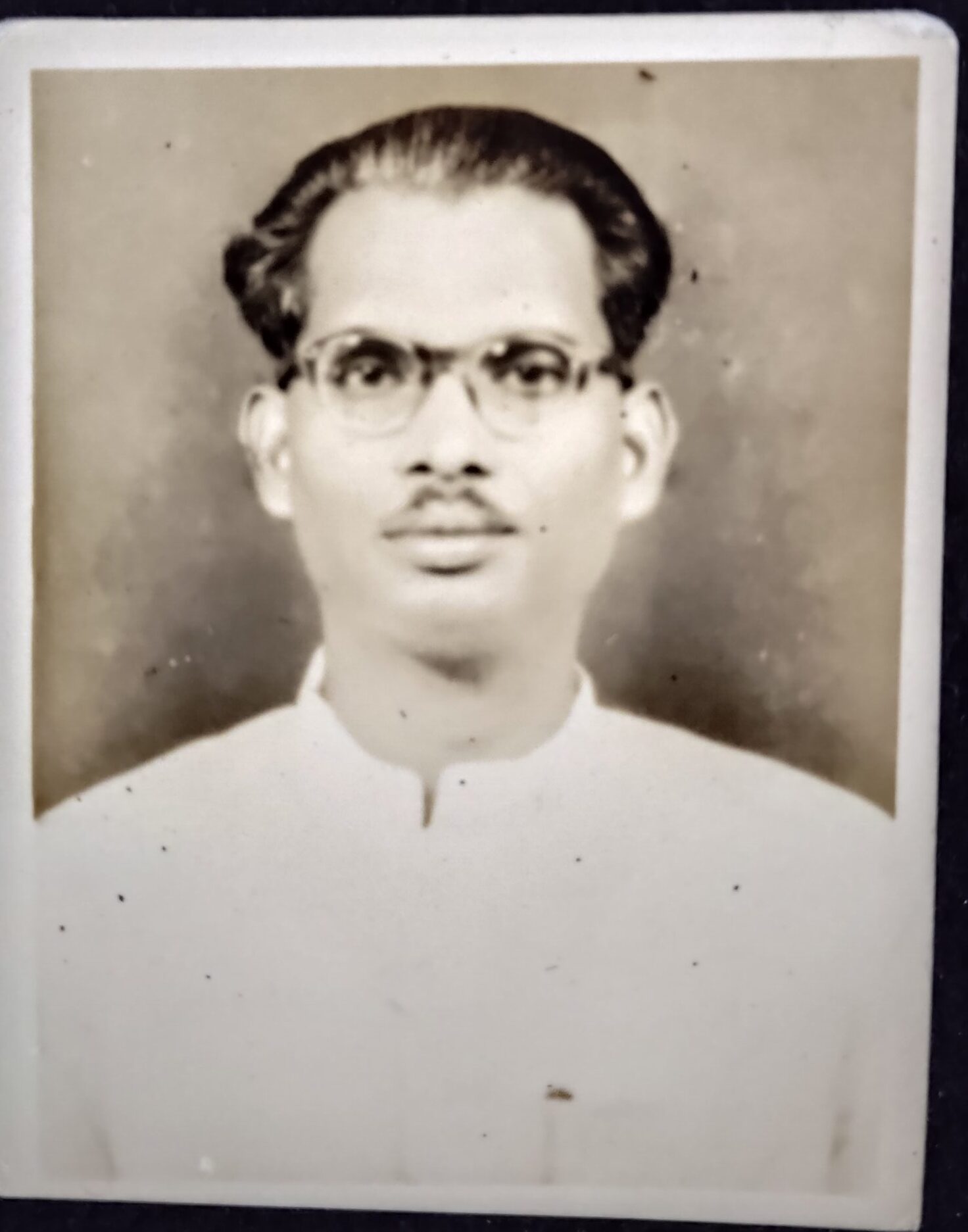
The history of the Santali cultural renaissance and the spread of the Ol Chiki script is filled with devoted individuals who carried forward the vision of Guru Gomke Pandit Raghunath Murmu. Among these, Sunder Mohan Hembrom stands out not only as a disciple but as a strategist and organizer who laid the institutional foundation for the movement’s long-term survival and growth.
A close follower of Pandit Raghunath Murmu, Sunder Mohan Hembrom was deeply inspired by his Guru’s mission to revive and empower the Santali community through their own language and script. But while many disciples focused on teaching and promoting Ol Chiki at the grassroots level, Hembrom recognized the need for a formal structure that could sustain the movement beyond individuals — a body that could unify Santali people across regions and coordinate educational and cultural activities.
It was this vision that led Sunder Mohan Hembrom to draft the biolos (constitution or bylaws) of ASECA — the Adivasi Socio-Educational & Cultural Association. Established as a pivotal organization, ASECA became the backbone of Santali linguistic and cultural activism. By drafting its guiding document, Hembrom ensured that the movement had a democratic, organized, and legally recognized platform to operate through, thereby strengthening its credibility and outreach.
Under ASECA, initiatives such as language workshops, cultural festivals, script training, and advocacy for Santali rights gained momentum. Hembrom’s drafting of the biolos provided clarity on the aims, objectives, and operational structures of the association, enabling it to function efficiently and gain the trust of the wider community.
Sunder Mohan Hembrom’s contribution is a prime example of how movements require not just visionaries and educators, but also disciplined organizers and institution-builders. His legal and administrative work ensured that the dream of Guru Gomke Pandit Raghunath Murmu could transition from an individual-led mission to a sustainable community movement with national recognition.
Today, as ASECA continues to champion the cause of Santali language, education, and culture, the foundational work done by Hembrom remains a guiding light. His legacy is a reminder that cultural preservation is not only about creativity and teaching but also about building structures that can protect and promote heritage across generations.